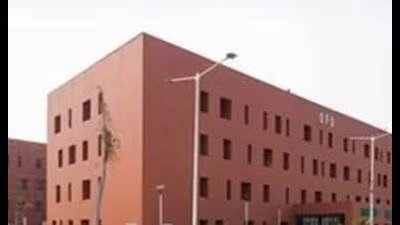
Uttar Pradesh’s flagship Kalyan Singh Super Specialty Cancer Institute (KSSSCI) is grappling with a severe shortage of specialist doctors. Most candidates selected for faculty posts declined to join, forcing the institute to plan contractual recruitment to keep cancer services running.
The institute’s 2024 recruitment drive for 91 regular faculty posts drew only 37 candidates for interviews; just 15 joined after selection, leaving 12 super-specialty departments without faculty.
The vacant departments include radiodiagnosis, medical oncology, plastic surgery, nuclear medicine, medical physics, dentistry, biochemistry, hospital administration, palliative care, physical medicine and rehabilitation, psychiatry and dermatology. Patients requiring these services are increasingly referred to Sanjay Gandhi Postgraduate Institute of Medical Sciences (SGPGIMS), Dr Ram Manohar Lohia Institute of Medical Sciences (RMLIMS) and King George’s Medical University (KGMU), adding to the burden on these tertiary-care hospitals.
Over the past seven years, 29 doctors and around 70 nurses, technicians and other employees have resigned from the institute, officials said. The shortage is affecting patient care at the hospital, which handles 450 to 500 cancer patients in its outpatient department every day. Delays are being reported in surgeries, chemotherapy, radiotherapy and diagnostic services as patient numbers continue to grow.
Institute officials attributed the poor recruitment response and continued resignations to lower salaries and less favourable service conditions compared with premier institutions such as AIIMS and SGPGIMS, making it difficult to attract and retain super-specialists.
Medical superintendent Dr Varun Vijay said the institute would send a proposal to the state government for contractual recruitment to fill vacant posts. “A doctor has recently been appointed on contract in the clinical haematology department and efforts are underway to ensure uninterrupted patient care despite the manpower shortage,” he said.
Healthcare experts said timely cancer treatment is critical and warned that unless pay disparities and service conditions are addressed, retaining specialists will remain a challenge.